As the automotive industry is still in early stages of designing for recyclability and examining the life cycle of its products, plastics suppliers are looking to be leaders in creating zero waste workplaces as they support research and development for more sustainable practices for the industry.
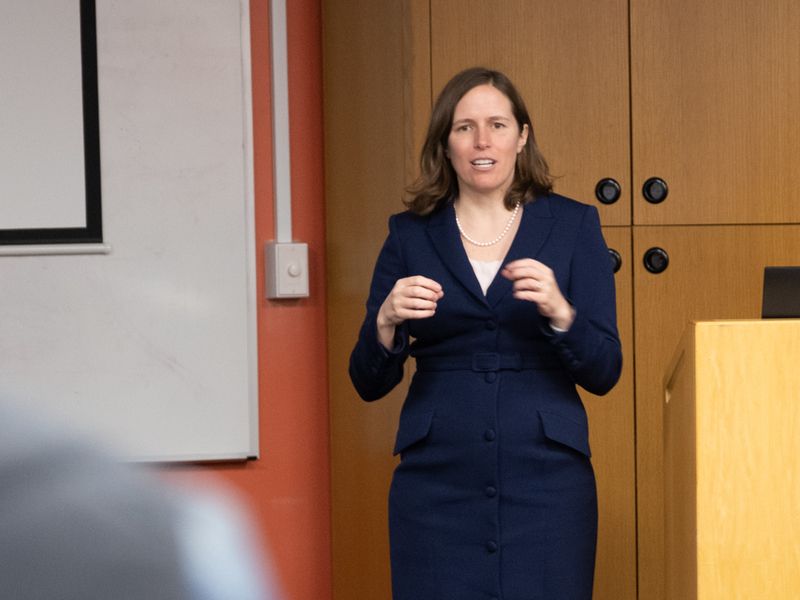
Grand Rapids, Mich.-based automotive injection molder Cascade Engineering reached a zero-waste-to-landfill status at one of its facilities in 2012, Christina Keller, president and CEO, said during Plastics News‘ Plastics in Automotive conference on May 26.
Since 2002, the company has decreased its landfill costs from almost $270,000 per year to $0 since 2012, Keller said.
Before making the “big leap” to zero waste, Cascade changed many policies and procedures and set large, five-year objectives and many smaller one-year goals on it’s journey, she said.
“We didn’t get there in one year. It took many years and many second and third tries,” Keller said.
Along the way, it got rid of trash compactors and freed up dock space, found a compost system to collect food scraps from break rooms and began using trash as a feedstock for plastic products.
Custom compounding solved many common issues with using recycled materials like flow inconsistencies, contamination and material performance consistency, she said.
Keller suggested suppliers begin their sustainability efforts by analyzing waste streams through an audit to profile garbage and document key waste streams and quantify the materials in terms of weight and dollars.
Suppliers should also “simply” start recycling both in factories and office settings, she said.
“Find partners that might be able to take your product and use it for their processes,” Keller said. “If you’re producing a lot of plastic scrap, are you recycling or regrinding that product? If your primary waste stream is paper, how do you reduce paper use or set up paper recycling?”
Cascade started a neighborhood recycling center in one of its facilities to take in recycled and donated items like eyeglasses, pens and pencils, clothing and books, becoming a “go-to” recycling point for their employees and their families and a worthwhile stop from recyclers with a higher volume of certain items to recover.
“Data suggests that, in 2021 alone, [Cascade] can remove 2.2 million pounds from waste and recycling streams,” she said.
As a certified B corporation, a distinction only recognized in some U.S. states, Cascade is “trying to put visibility on the metrics around [the] social and environmental” effects of the industry, she said.
To qualify, an organization must “adjust or amend [its] bylaws for the benefit of all stakeholders, not just [its] financial shareholders,” Keller said, “which is a difficult thing to do as a publicly traded company. But as a privately held organization, you can make those relatively easily.”
“That actually protects the leader to be able to make trade-off decisions that might be better more long term and better for the community,” she added. “Ideally, we’re not having trade-offs; we’re having win-wins. But to the extent you do have [trade-offs], it really protects the leadership team to make decisions that are for the benefit of all stakeholders in the community.”